
How To Make The Second Row In Crochet
How To Make The Second Row In Crochet - Web with a starting row of 16 single crochet stitches, you can crochet a row of stitches: Web this is called turning your work, and it positions the crochet work you've already done so that you can work back across the row from right to left. The turning chain is simply extra chains that will move you up to the next row of your crocheting. Then, yarn over again and pull through both loops on the hook. You only want to crochet through the back loops of the foundation chain. Turning chain for single crochet). Web a silent visual of how to take your foundation chain and create a second row. Insert hook into the next stitch, yarn over, and pull up a loop. You've just completed your first row of single crochet, and you are ready to move on to the second row. This step is foundational for any square crochet project! In brief, here’s how to work a single crochet: Turning chain for single crochet). In this article, we will provide you with expert tips on how to master the second row crochet technique, as well as answer some common questions that crocheters may have. Web to start the second row of crochet, begin by chaining the number of stitches required for the pattern. Insert your hook from front to back underneath the top two loops of the first stitch. This step is foundational for any square crochet project! Web crochet lessons for beginners. Get tips on how to master this essential skill and take your crochet projects to the next level. You only want to crochet through the back loops of the foundation chain. Turn your work and position your yarn correctly. The turning chain is simply extra chains that will move you up to the next row of your crocheting. In this article, we will provide you with expert tips on how to make a second row in crochet, as well as answer some common questions that beginners often have. Web i’ve made a quick video tutorial, shown below, to help. Web once you have completed your foundation row, the second row is where you start to see your project really take shape. Begin with or without chains for a new row of single crochets. Different stitches require different techniques. This blanket is beginner friendly and the steps in this video will help you create the easy crocheted. Work into the. Web how to crochet the second row when working in rows and in the round. In brief, here’s how to work a single crochet: Web pretty handy, right? Then, yarn over again and pull through both loops on the hook. Web i’ve made a quick video tutorial, shown below, to help you through those confusing stages where i go through. Different stitches require different techniques. But maybe you’re looking for more information and some pictures. Web pretty handy, right? Work into the top loops of previous row stitches. Turning chain for single crochet). The turning chain is simply extra chains that will move you up to the next row of your crocheting. Then, yarn over again and pull through both loops on the hook. Web pretty handy, right? I go over how many chains to make at the beginning of the row, which stitch to start in. In brief, here’s how to work. This step is foundational for any square crochet project! Web this is called turning your work, and it positions the crochet work you've already done so that you can work back across the row from right to left. Web the bernat baby yarn is a bulky, chenille type yarn and it is really soft and cozy. Then, yarn over again. Web once you have completed your foundation row, the second row is where you start to see your project really take shape. Then, yarn over again and pull through both loops on the hook. Web learn how to crochet the next row of single crochet with 3 easy starting methods. Turning chain for single crochet). In this article, we will. Begin with or without chains for a new row of single crochets. You've just completed your first row of single crochet, and you are ready to move on to the second row. Insert hook into the next stitch, yarn over, and pull up a loop. The turning chain is simply extra chains that will move you up to the next. Web how to crochet the second row when working in rows and in the round. Web this is called turning your work, and it positions the crochet work you've already done so that you can work back across the row from right to left. I go over how many chains to make at the beginning of the row, which stitch. Then, turn your work so that the hook is facing the opposite direction. Begin with or without chains for a new row of single crochets. Web i’ve made a quick video tutorial, shown below, to help you through those confusing stages where i go through crocheting the second row when working in rows as well as working in the round.. The turning chain is simply extra chains that will move you up to the next row of your crocheting. Work into the top loops of previous row stitches. You only want to crochet through the back loops of the foundation chain. In this article, we will provide you with expert tips on how to make a second row in crochet, as well as answer some common questions that beginners often have. Begin with or without chains for a new row of single crochets. Web whether you are a beginner or an experienced crocheter, learning how to make a second row crochet can help you create more intricate and detailed designs. Turn your work and position your yarn correctly. This step is foundational for any square crochet project! Turning chain for single crochet). Web how to crochet the second row when working in rows and in the round. Web in this video, i teach you how to move up to your second row of crochet, using your single crochet stitch only Web to start a second row in crochet, you just need to flip your work like the page of a book so that you can keep on crocheting into the previous row of stitches. In this article, we will provide you with expert tips on how to master the second row crochet technique, as well as answer some common questions that crocheters may have. Get tips on how to master this essential skill and take your crochet projects to the next level. Web the row after a foundation chain is crocheted a bit differently than all the other rows usually are. Different stitches require different techniques.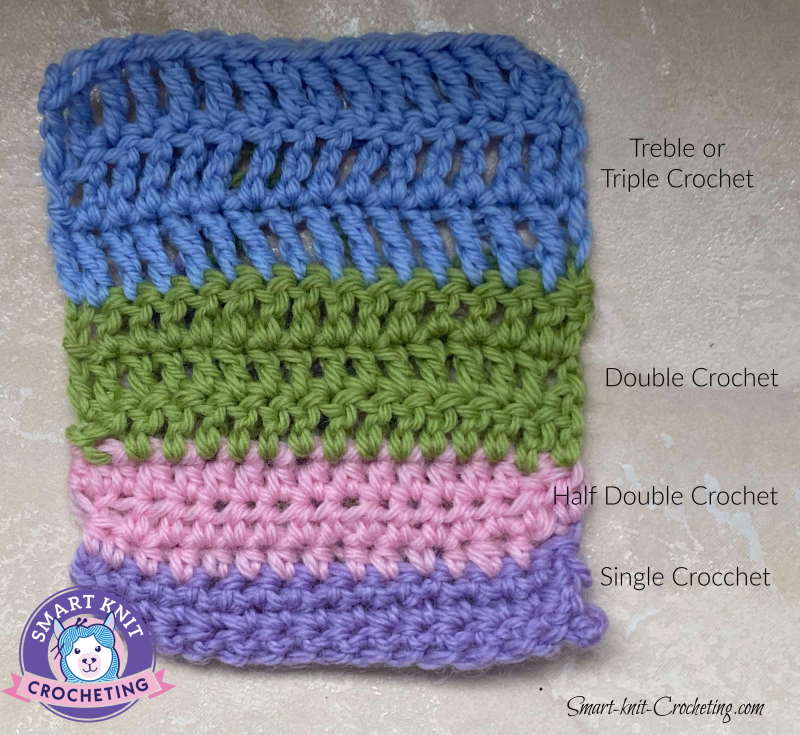
How to Crochet the Second Row of Stitches Beginner Crochet
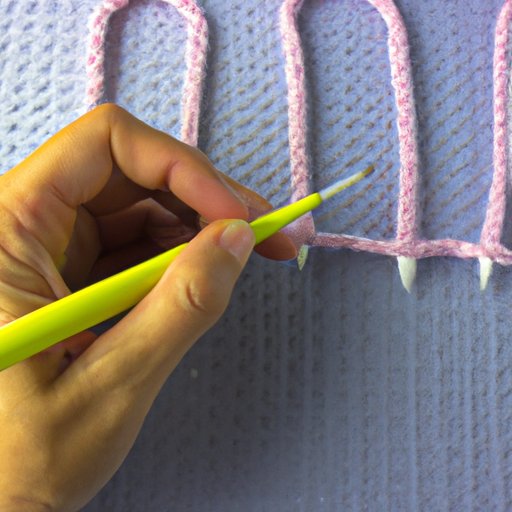
How to Start a Second Row in Crocheting A StepbyStep Guide The
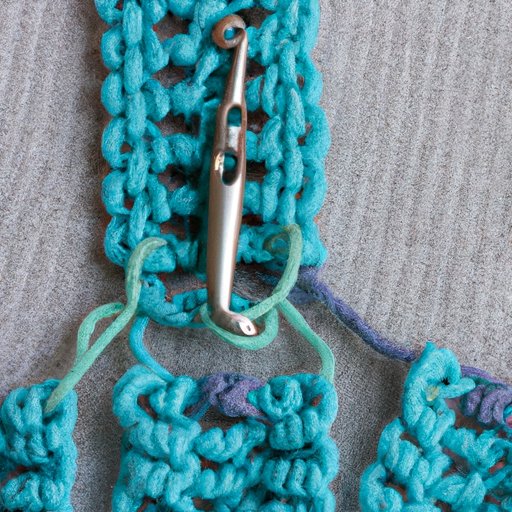
How to Start a Second Row in Crocheting A StepbyStep Guide The
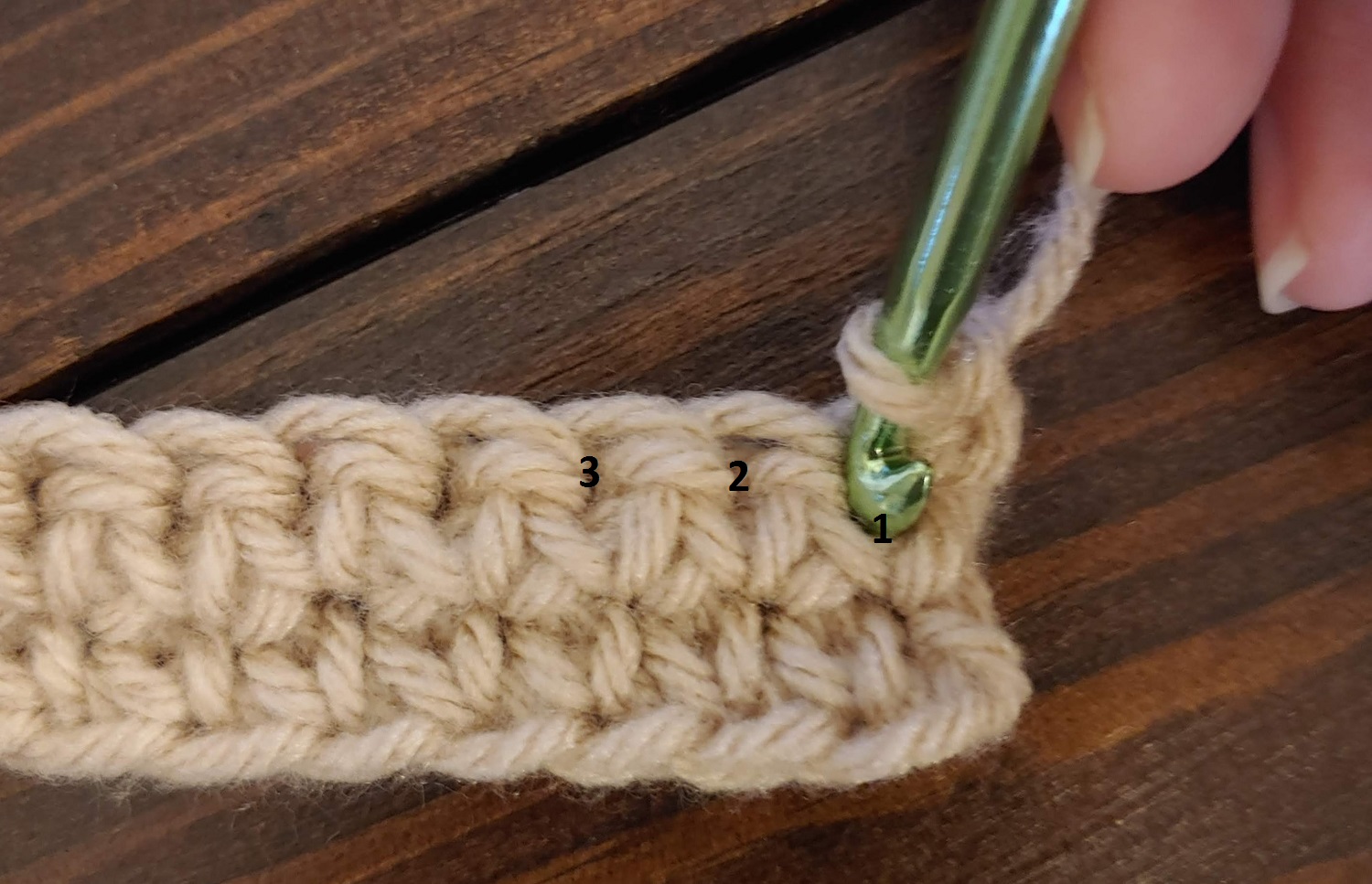
Crochet Rows How to End One and Start Another and How to Finish Off
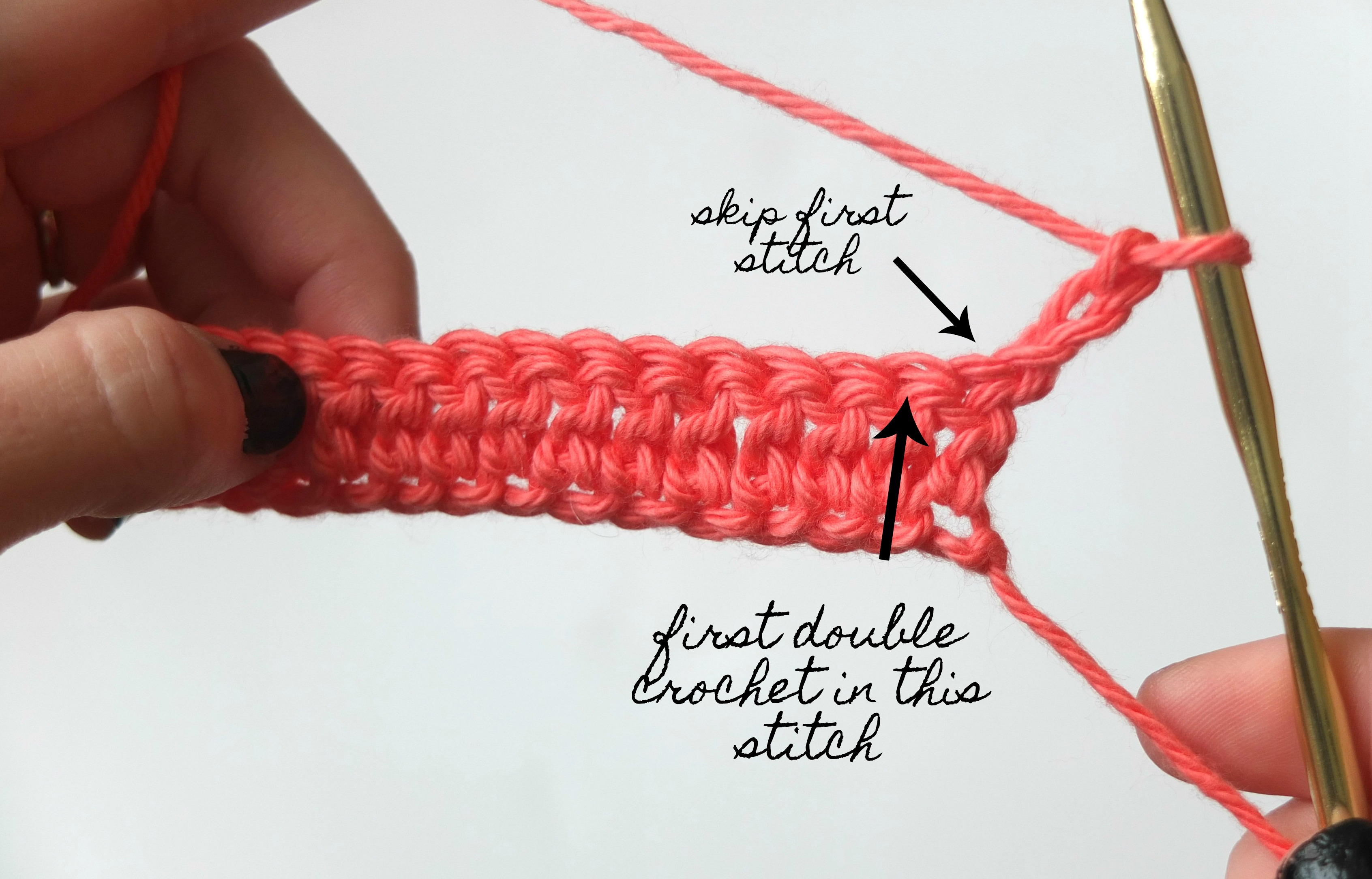
Double Crochet Stitch for Complete Beginners with Step by Step Photos
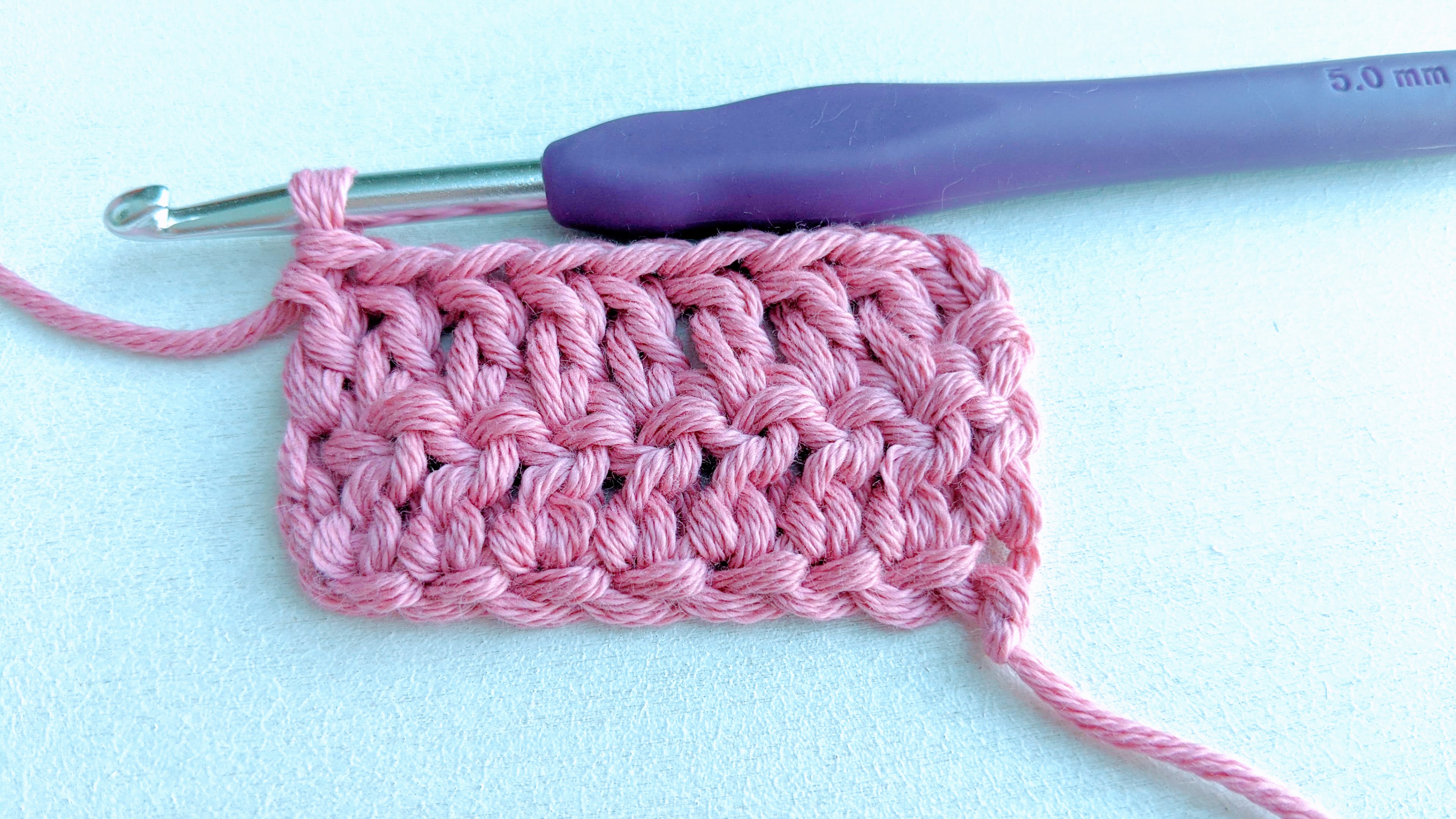
How to Double Crochet Stitch for Beginners (US Terms) My Crochet Space
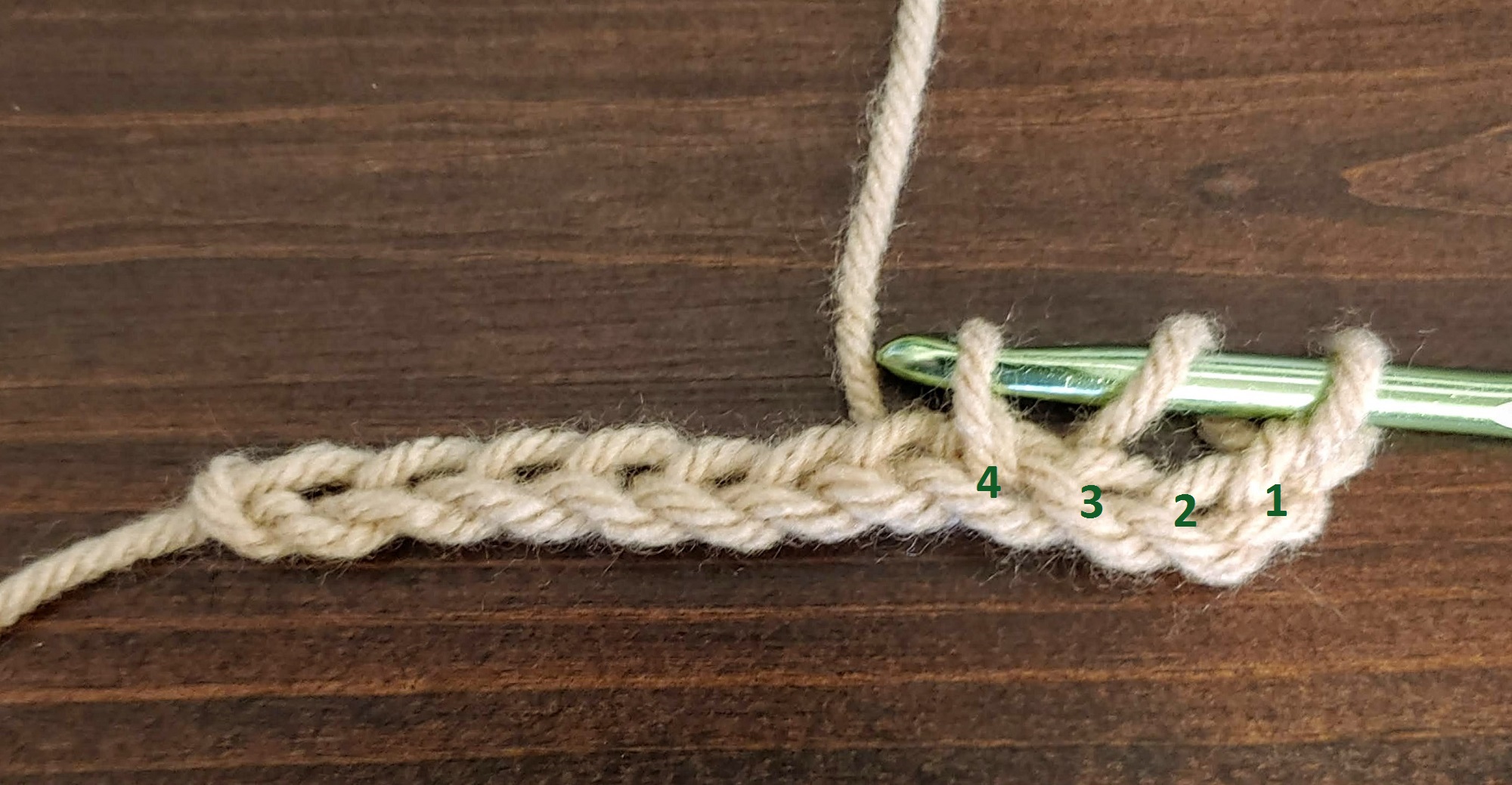
Starting the Second Row of Crochet Working Into the Foundation Chain

How to do the 2nd row of crochet. YouTube

How to Crochet A Complete Guide for Beginners Sarah Maker
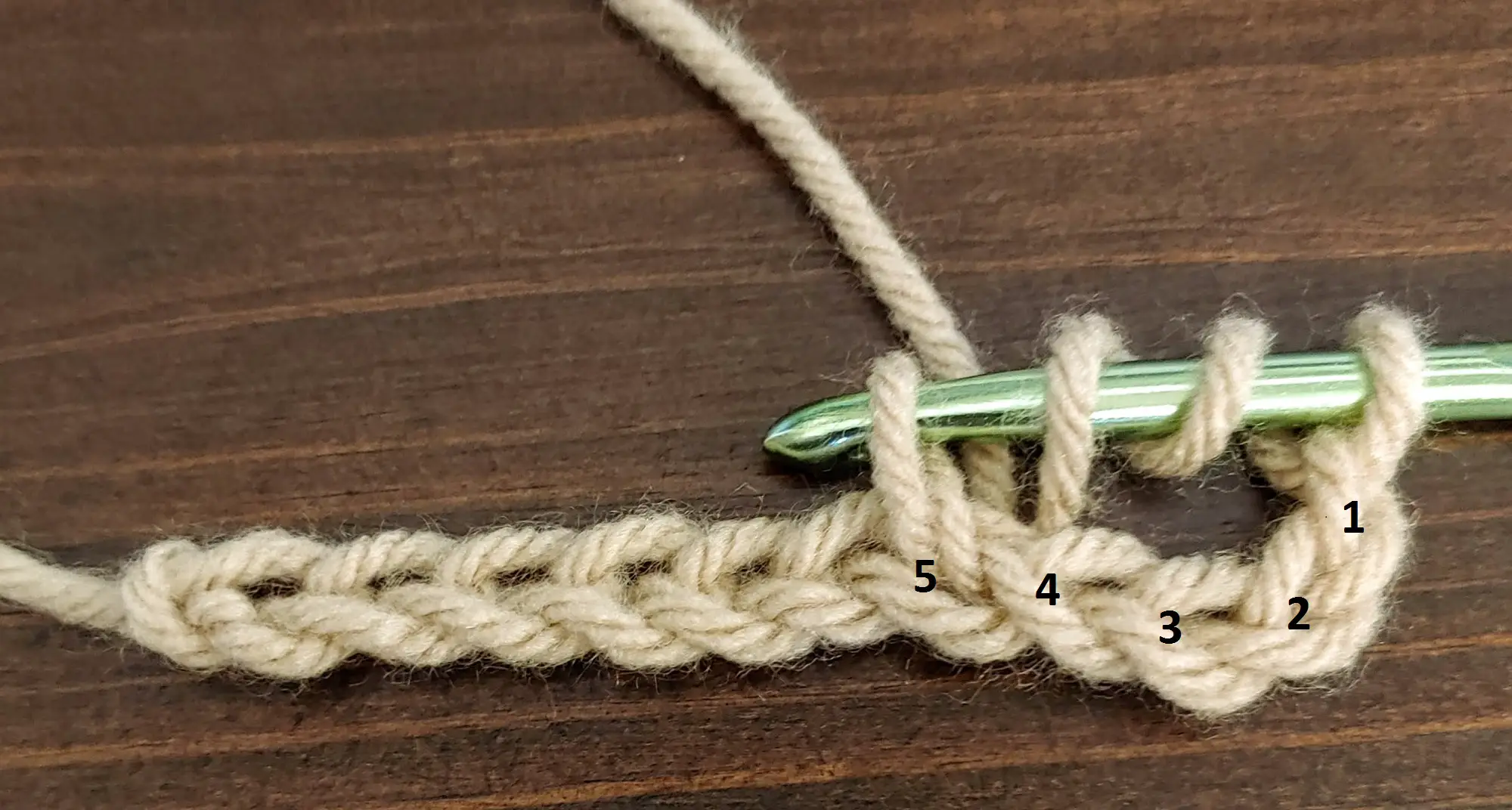
Starting the Second Row of Crochet Working Into the Foundation Chain
Turn Your Work To Prepare For The Next Row.
Web This Is Called Turning Your Work, And It Positions The Crochet Work You've Already Done So That You Can Work Back Across The Row From Right To Left.
I Go Over How Many Chains To Make At The Beginning Of The Row, Which Stitch To Start In.
Web Pretty Handy, Right?
Related Post: